Heat Pump or Gas Furnace: What a North Alabama Winter Asks of Each
Both will keep a Cullman County house warm, but they get there differently, and your house decides which one fits.
October 14, 2026 · 4 min read
If your furnace is getting old, or you're building and have to pick a system, the first question is usually the same: heat pump or gas furnace? Both heat a house well in North Alabama. They do it in very different ways, and the right answer depends on your house, your gas service, and what you want the equipment to do the other nine months of the year.
How each one makes heat
A gas furnace burns natural gas or propane in a sealed chamber. The flame heats a metal heat exchanger, and the blower pushes your house air across the outside of that exchanger and out through the ducts. The combustion gases stay inside the exchanger and leave through a vent. That's why a cracked heat exchanger is taken so seriously.
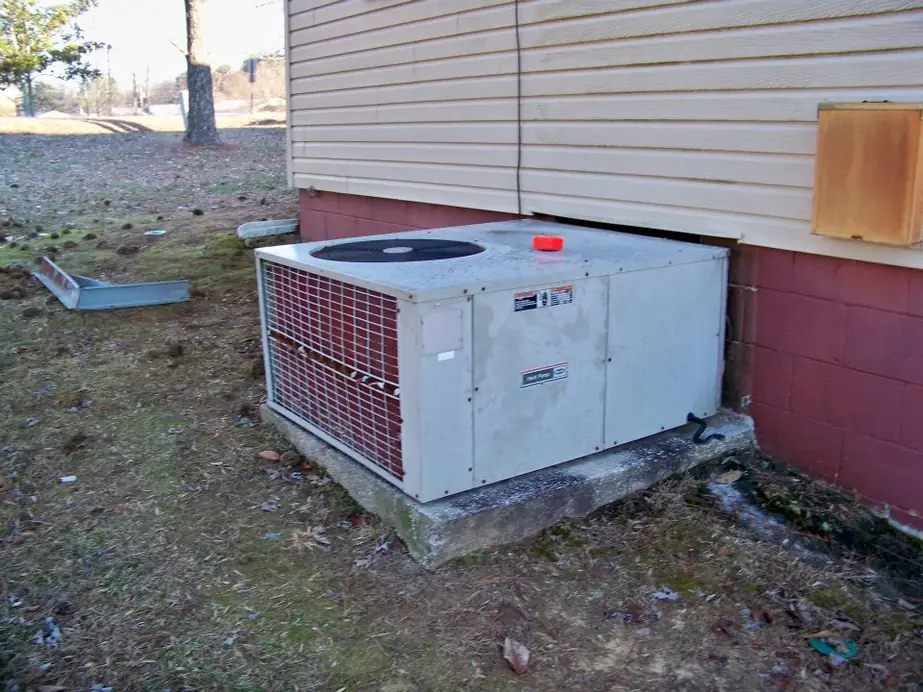
A heat pump doesn't make heat by burning anything. It moves heat. In winter it pulls heat out of the outdoor air, even air that feels cold to you, and carries it indoors on refrigerant. In summer the same machine runs in reverse and moves heat out of the house, so one system handles both heating and cooling. One outdoor unit, one indoor coil, one set of ducts.
Richard Electric installs and repairs gas furnaces and electric heat pumps, so there's no preferred answer here. It's worth understanding how the two work before anyone hands you a quote.
What a cold snap does to each
A gas furnace doesn't care much how cold it gets outside. A flame is a flame at fifty degrees or at ten. A heat pump gets less heat out of colder air, so it works harder on the coldest nights. Most heat pump systems include backup electric heat strips inside the indoor unit. They come on when the outdoor unit can't keep up, and they also help while it's clearing frost. Think of them as a very large toaster: dependable, but they use a lot of electricity. When someone tells you their power bill jumped during a freeze, the strips running a lot is a common reason.
On a damp, cold morning you may see a heat pump's outdoor unit steaming or wearing a coat of frost. That's normal. Frost builds on the outdoor coil, and every so often the unit runs a defrost cycle, briefly reversing itself to melt the ice off. A little steam, and a short pause in warm air from the vents, comes with that. Ice that never clears, or a unit frozen solid, is a reason to call.
North Alabama winters tend to swing. You get a run of mild days, then a few nights of hard freeze, then mild again. That pattern is friendly to a heat pump for most of the season, and the cold nights are when the backup heat does its share. A gas furnace simply doesn't notice the swing.
What each one needs from your house
- Gas furnace: a natural gas line or a propane tank, a proper vent to the outside, and a way to bring in combustion air.
- Heat pump: a pad or stand outdoors with clear space around it, a refrigerant line set to the indoor unit, and an electrical supply sized for the equipment and its backup heat.
- Both: ductwork in good shape. Leaky or undersized ducts hold back either system.
- Both: a thermostat and controls matched to the equipment.
Ducts matter more than most people expect. A brand new system pushing air through ducts that leak into an attic or crawl space wastes part of what you paid for. Richard Electric fabricates and installs ductwork out of its own metal shop on Highway 157, so a duct problem can be fixed as part of the same job instead of being discovered afterward.
The electrical side deserves a look too. If you're swapping a furnace for a heat pump, the panel and wiring have to carry the new load. The same company does both HVAC and electrical work, which is handy for a changeover like this because nobody has to coordinate two crews.
Questions worth asking before you choose
- Do I already have gas service at the house, or would a line have to be run or a tank set?
- How old is my ductwork, and has anyone actually inspected it?
- Do I want one system for heating and cooling, or am I keeping my current air conditioner?
- How long do I plan to live here?
- What happens to my system on the coldest night of the year, and what does the backup look like?
Richard Electric's own FAQ puts general HVAC equipment life at 12 to 15 years. Whatever you pick, you're picking for the next decade or more, so it's worth an honest conversation with someone who has seen the inside of your house, not a guess from a catalog page. Extended warranties are available on new installs, and it's fair to ask about them while you're deciding.
Neither choice is wrong. A gas furnace is a good fit where gas service is already there and you like strong heat on the coldest nights. A heat pump is a good fit where you want one system to do both seasons and the house has sound ducts and a panel that can take it. The in-between house is where a walk-through helps.
If you're weighing the two, call Richard Electric at (256) 600-0616. Same-day appointments are available, and the person who walks your house can tell you which one fits it. You can also read more on the heating page at /heating.
Richard Electric Company, Inc., (256) 600-0616
Call (256) 600-0616More articles
What a Twice-a-Year Maintenance Visit Actually Checks, and Why Twice
A good maintenance visit is a documented inspection, not a quick look and a handshake.
Planning a Generac Home Standby Generator: Fuel, Placement and Upkeep
A permanent generator is a small power plant beside your house, and a little planning up front saves a lot of regret later.