Planning a Generac Home Standby Generator: Fuel, Placement and Upkeep
A permanent generator is a small power plant beside your house, and a little planning up front saves a lot of regret later.
October 14, 2026 · 4 min read
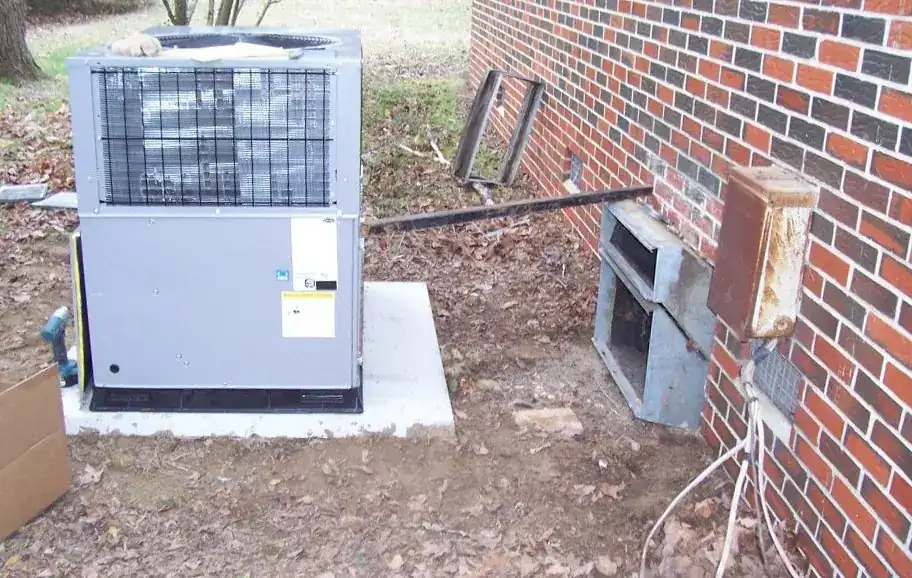
Anyone who has sat through a long outage in a North Alabama storm season knows the pull of a permanent generator. It starts by itself, it runs the house, and you don't have to stand in the rain pulling a cord. But a standby generator isn't an appliance you just plug in. It ties into your gas, your electrical panel and your yard all at once, so it pays to understand the pieces before you shop.
How a standby system works
A home standby generator sits outside on a pad, connected to a fuel supply, usually natural gas from the street or propane from a tank. Inside, an automatic transfer switch sits between the utility and your house wiring. When the switch senses that utility power has dropped, it signals the generator to start and, once the generator is running steady, moves your house over to it. When utility power comes back, the switch moves the house back and the generator shuts down after a cool-down.
That transfer switch is not a minor accessory. It is what keeps your generator from sending power back out onto the utility lines, which is a danger to line crews working to restore power. It is also what makes the whole thing automatic. Richard Electric is a certified Generac installer, and it does the electrical work and the generator work as one job, which is how it should be done.
Sizing: what do you want it to run?
Start with a list, not a number. Which things must work during an outage? Many families want the refrigerator, freezer, a few lights, the furnace blower or heat pump, a well pump if they have one, and the garage door. Others want the whole house, air conditioning included. The size of the generator, and which circuits go on the transfer switch, follow from that list and from what each item draws when it starts up.
- Essential circuits: the generator carries a chosen set of circuits, and the rest of the house stays dark.
- Whole house: the generator is sized to carry nearly everything, including large loads like central air.
- Motor loads: air conditioners and pumps pull extra power for a moment when they start, which is why sizing takes more than adding up labels.
- Future plans: an addition, a shop, or a second air conditioner is easier to account for now than later.
Natural gas or propane
Richard Electric installs Generac home standby generators that run on natural gas or propane. Which one suits you depends mostly on what's already at your property. If natural gas service runs to your house, a gas generator has a steady supply, and there's no tank to watch. The line has to be able to deliver enough gas for the furnace, water heater, range and the generator all running at once, and that's something to confirm, not assume.
If you're on propane, or outside the gas main, a propane tank can feed the generator. The tank has to be big enough to run it for as long as you'd want during a long outage, and someone has to keep it filled. Ask how many hours of run time a given tank gives at the loads you chose. That one question tells you whether the setup will carry you through two days or two hours.
Placement
Where the unit sits matters for safety, noise and service. The generator needs level, solid ground, usually a pad, with open air around it. It exhausts hot gases, so it should be kept well away from windows, doors and vents that could let fumes inside. Both the manufacturer's instructions and local requirements set minimum distances, and an installer who works in your area will know which apply to your lot and your house.
Think about the practical side too. You'll want room for a technician to open panels and work. You'll want the run between the generator, the gas supply and the transfer switch to be reasonable, since longer runs mean more material and more labor. And consider the view from the kitchen window and from the neighbor's yard, because the unit will be there for years.
Upkeep: what it needs after install
A generator that sits unused for months still needs attention. Most standby units run a short self-test on a schedule, which keeps the engine moving and tells you whether something is wrong. Like any engine, a generator also needs regular service: oil and filters, a look at the battery, and checks of the controls and transfer switch. A battery that's gone flat is one of the most common reasons a standby generator doesn't start when it's needed.
Richard Electric offers routine generator maintenance, and it services Generac generators only. That's a deliberate focus: the technicians who install them are the same ones who work on them. If you already own a Generac, a maintenance visit is the cheapest way to find out whether it will start the next time the lights go out.
If you're thinking about a standby generator for your home, or a commercial or industrial unit for a business, call Richard Electric at (256) 600-0616 and talk it through, or read about the work at /generators. Emergency service calls are taken, and same-day appointments are available.
Richard Electric Company, Inc., (256) 600-0616
Call (256) 600-0616More articles
Heat Pump or Gas Furnace: What a North Alabama Winter Asks of Each
Both will keep a Cullman County house warm, but they get there differently, and your house decides which one fits.
What a Twice-a-Year Maintenance Visit Actually Checks, and Why Twice
A good maintenance visit is a documented inspection, not a quick look and a handshake.