When a Breaker Keeps Tripping: What It Is Trying to Tell You
A breaker that trips is doing its job, and the useful question is what it is protecting you from.
October 14, 2026 · 4 min read
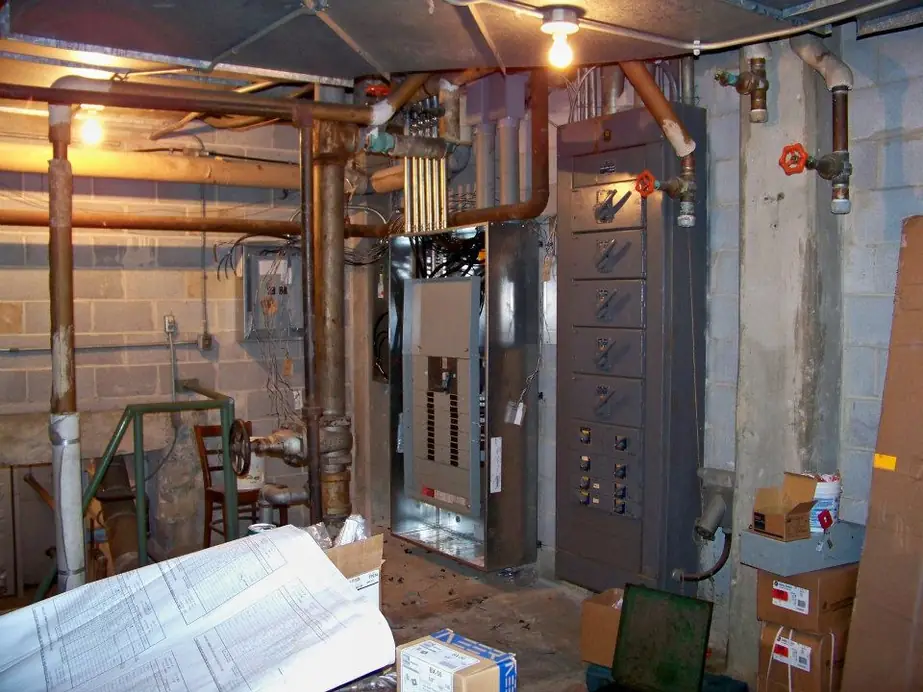
A breaker trips, you flip it back, and an hour later it trips again. It's one of the most common electrical complaints in any house, and also one of the most misunderstood. The breaker isn't broken just because it keeps shutting off. In most cases it's doing exactly what it was built to do, which is cut power before the wire behind your wall gets hot enough to cause trouble.
What a breaker actually does
Every circuit in your house is wired with a conductor sized for a certain amount of current. Push more than that through it for long enough and the wire heats up. The breaker is a safety device matched to the wire. When current climbs past its rating, or when something goes wrong in the circuit, it opens and stops the flow.
That means a tripping breaker is a symptom, not the disease. Resetting it over and over treats the symptom. The question is why it trips, and there are usually three answers.
Three common reasons a breaker trips
- Overload: too much running on one circuit at once, like a space heater, a microwave and a toaster sharing a kitchen line. It usually trips after a few minutes of heavy use.
- Short circuit: a hot wire touches a neutral or another hot wire. It trips instantly, often with a pop, and often when you flip it back on.
- Ground fault: current leaks to ground, often through moisture or damaged insulation. Outlets with a built-in ground fault device, and breakers designed for it, trip for this reason.
A fourth cause deserves a mention: a worn breaker. Breakers can weaken with age and heat, and an old one may trip below its rating or fail to hold. But that diagnosis comes last, after someone has ruled out the circuit itself.
What you can safely check
There's a sensible amount you can do without ever touching the panel. Start with a simple observation: what was running when it tripped? If it always happens when the hair dryer and the space heater are on together, you've probably found an overload. Unplug the devices on that circuit, reset the breaker once, and add them back one at a time. If it holds with a lighter load, the circuit is likely just overworked, and the answer may be moving a few things to another circuit or adding one.
If it trips immediately with everything unplugged, or trips every time you plug one particular thing in, the problem is in the circuit or the device. A device with a damaged cord or a failing motor can trip a perfectly healthy breaker. Try the device somewhere else. If it trips there too, replace or repair it.
What not to do
- Don't swap in a larger breaker to stop the tripping. The wire is sized for the old rating, and a bigger breaker removes the protection that keeps it from overheating.
- Don't hold the breaker on, tape it, or keep resetting it over and over.
- Don't take the panel cover off. The main lugs stay energized even with the main breaker off.
- Don't ignore a breaker that is hot to the touch or has a burning smell around it.
Signs it is time to call someone
Some signs mean the situation has gone past a home check. A breaker that trips the moment you reset it with nothing connected points to a fault in the wiring or the breaker itself. A scorched outlet or switch plate, a buzzing or crackling from the panel, lights that flicker or dim when a big appliance starts, and a smell like hot plastic are all reasons to stop and have it looked at the same day. If you smell burning or see smoke, get everyone out and call emergency services first.
Older homes add another reason. A panel installed decades ago may have been fine for the house as it was then, but today's houses run more devices on fewer circuits than those panels ever imagined. A kitchen with a modern appliance load, a home office, and an air conditioner may simply outgrow the original panel and wiring. An electrician can look at the box, check the connections and tell you if the problem is a nuisance trip or a real limit.
What an electrician will do
Richard Electric has done electrical work in Cullman since 1949, when Carl Richard started the business, and its electrical side covers residential repair, wiring, lighting, ceiling fans, breaker boxes, GFCI outlets and surge arresting systems, along with commercial and industrial work. A visit for a tripping breaker usually means tracing which circuit is involved, checking connections and loads, and testing the breaker and any protective outlets. From there the options are straightforward: repair a fault, add a circuit, replace a worn breaker or panel, or add surge protection if the real concern is what comes in over the lines.
If your breaker keeps tripping and you can't tell why, call Richard Electric at (256) 600-0616. Emergency service calls are taken, and the electrical page at /electrical-repair has more on what the company handles.
Richard Electric Company, Inc., (256) 600-0616
Call (256) 600-0616More articles
Heat Pump or Gas Furnace: What a North Alabama Winter Asks of Each
Both will keep a Cullman County house warm, but they get there differently, and your house decides which one fits.
What a Twice-a-Year Maintenance Visit Actually Checks, and Why Twice
A good maintenance visit is a documented inspection, not a quick look and a handshake.